Postdoctoral Scholar · UC Santa Cruz Genomics Institute
Sina Jamalzadegan, Ph.D.
I work on AI for biosensing, and that phrase has to carry two halves that usually sit in different buildings. The materials half decides what can be measured at all: liquid metals, plasmonic nanoparticles, flexible substrates. The biology half decides what a measurement means: CRISPR, RNA, organoids, genomes. I build the model layer that carries a signal from one half to the other, and I have peer-reviewed work on both sides of it.
Chemical engineer by training, now at a genomics institute. The through-line across every project is the same question: how do you take a signal that is noisy, low-cost, and field-deployable, and make it trustworthy enough to act on?
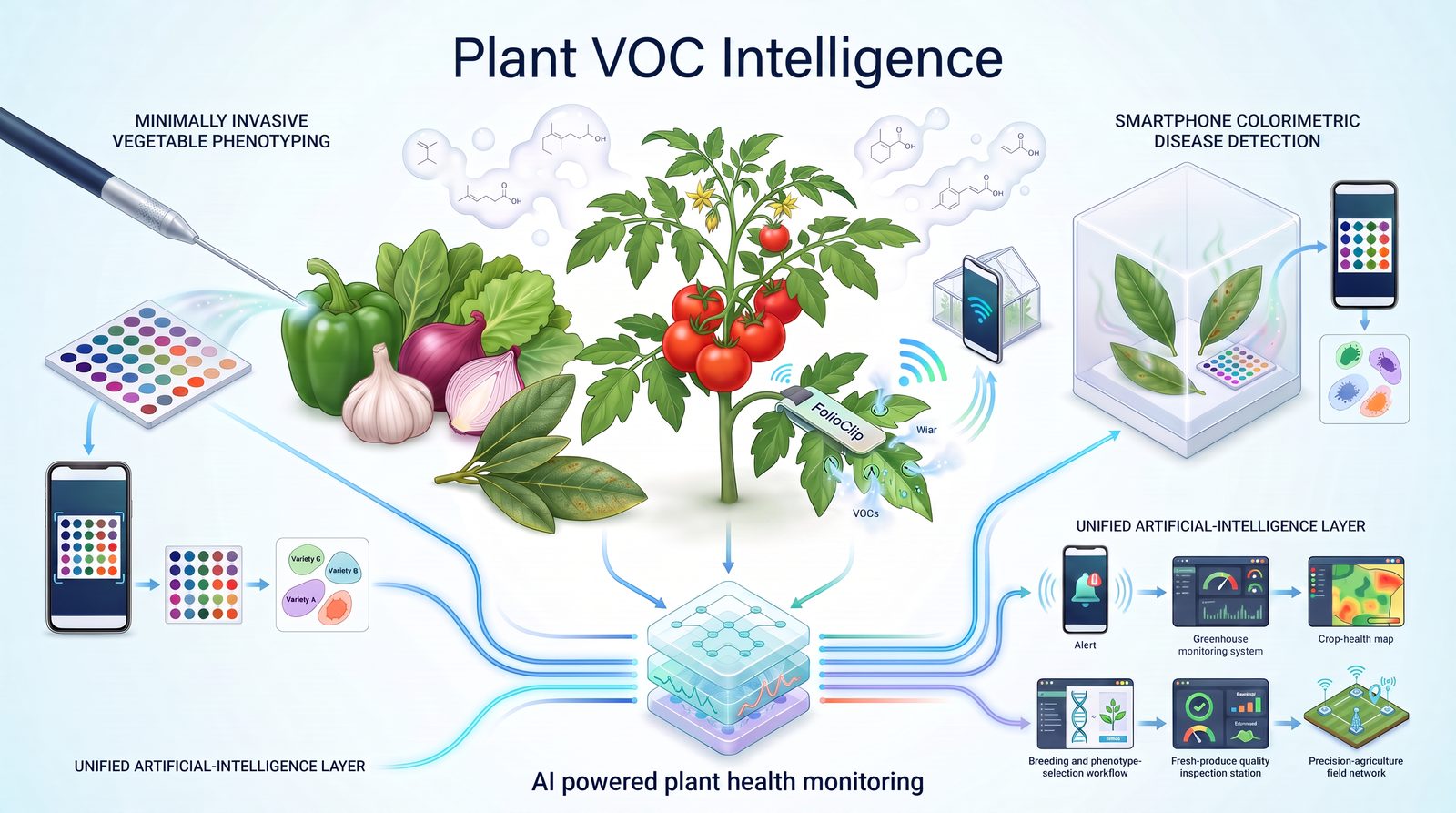
The wearable behind that question caught tomato spotted wilt virus four days after infection, before any visible symptom. Science Advances, 2023, covered by The Wall Street Journal, Nature Food, and Nature Plants.
News
- Jun 2026Received the James K. Ferrell Outstanding Ph.D. Graduate Award from the NC State Department of Chemical and Biomolecular Engineering. Announcement
- Jul 2026First paper from my postdoc at UC Santa Cruz: Virtual Brain Organoids, under review at Trends Open (Cell Press).
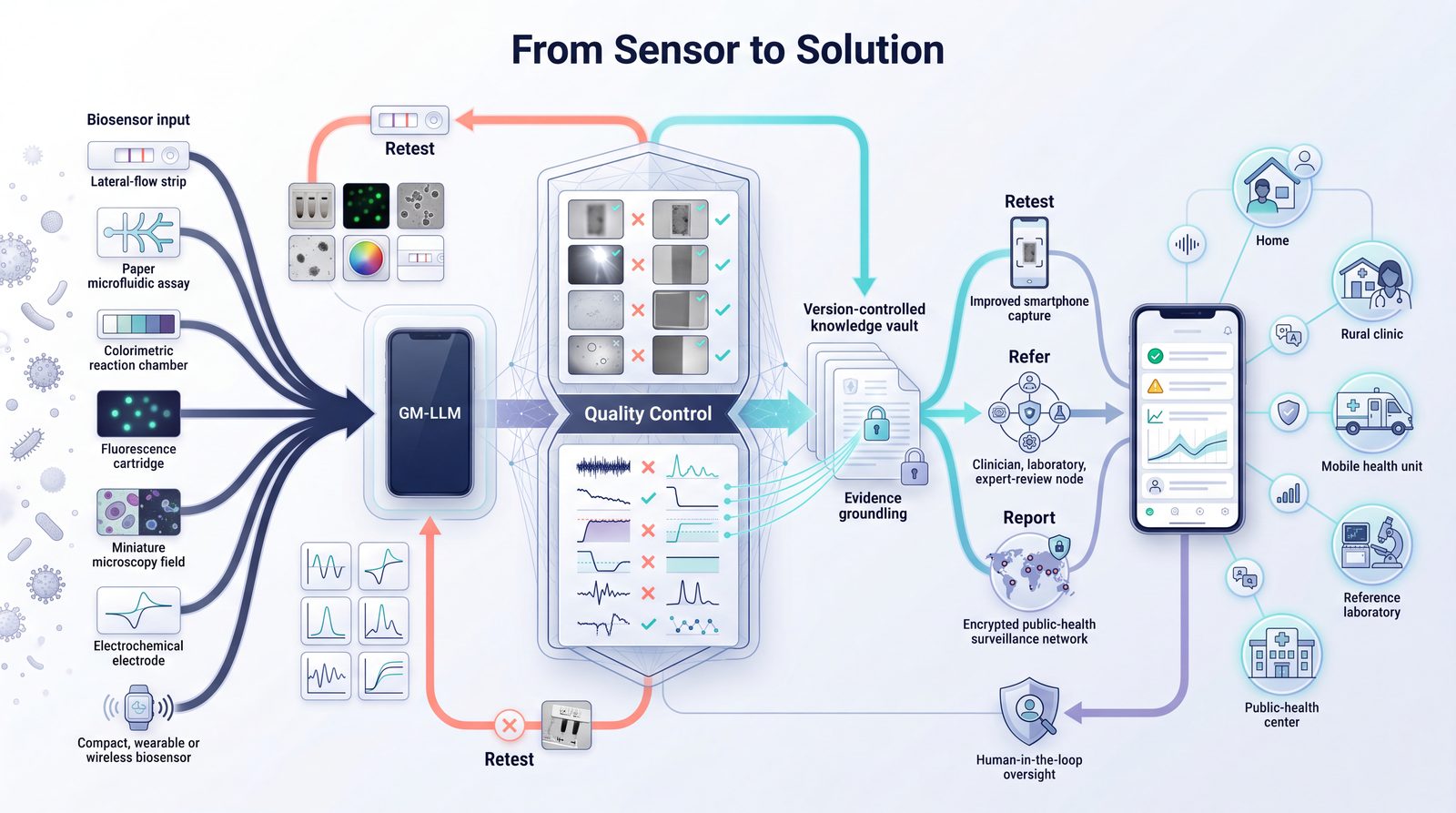
- May 2026From Sensor to Solution: Grounded LLM Interfaces for Equitable, Smartphone-Based Pathogen Surveillance published in Frontiers in Sensors. DOI
- Mar 2026Started as a postdoctoral scholar at the UC Santa Cruz Genomics Institute, working on AI and high-performance computing for genomics.
- Jan 2026Contributed to Humanity's Last Exam, a 2,500-question expert benchmark for AI, published in Nature. DOI
Research
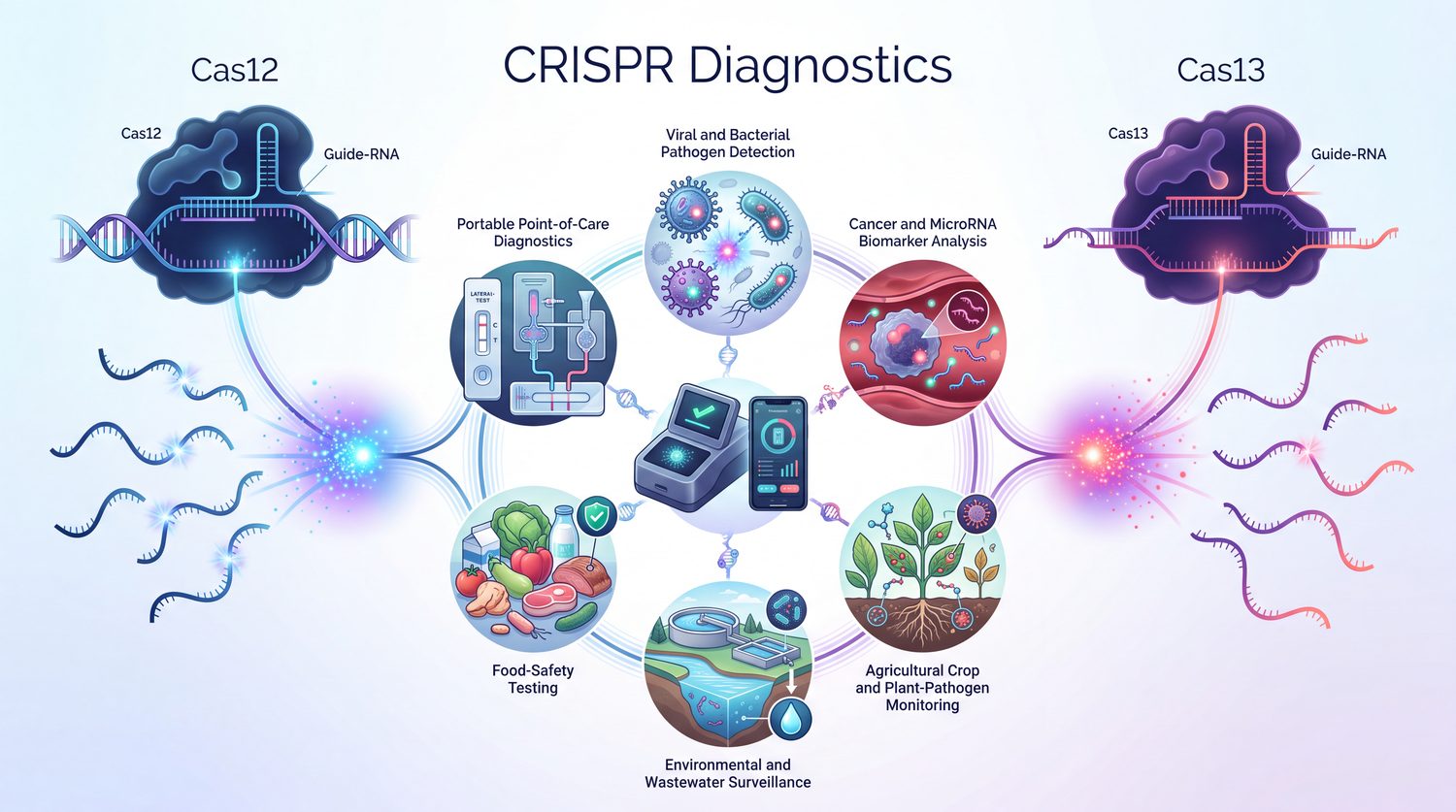
Five connected threads. Each one is a different attack on the same problem: closing the gap between what a cheap sensor physically measures and what a person actually needs to decide.
Selected publications
The paper the rest of the work is built on, three journal covers, and the current first-author work.
- G. Lee, O. Hossain, S. Jamalzadegan, Y. Liu, H. Wang, A. C. Saville, T. Shymanovich, R. Paul, D. Rotenberg, A. E. Whitfield, J. B. Ristaino, Y. Zhu, and Q. Wei. Abaxial Leaf Surface-Mounted Multimodal Wearable Sensor for Continuous Plant Physiology Monitoring. Science Advances, 2023, 9(4), eade2232. DOI Covered by The Wall Street Journal, Nature Food, Nature Plants, NC State News
- S. Jamalzadegan, J. Xu, Y. Shen, B. Mativenga, M. Li, M. Zare, A. Penumudy, Z. Hetzler, Y. Zhu, and Q. Wei. Advancing Wearable VOC Sensors: A Roadmap for Sustainable Agriculture and Real-Time Plant Health Monitoring. Chemical & Biomedical Engineering Journal, 2025, 2, 460–474. DOI Cover
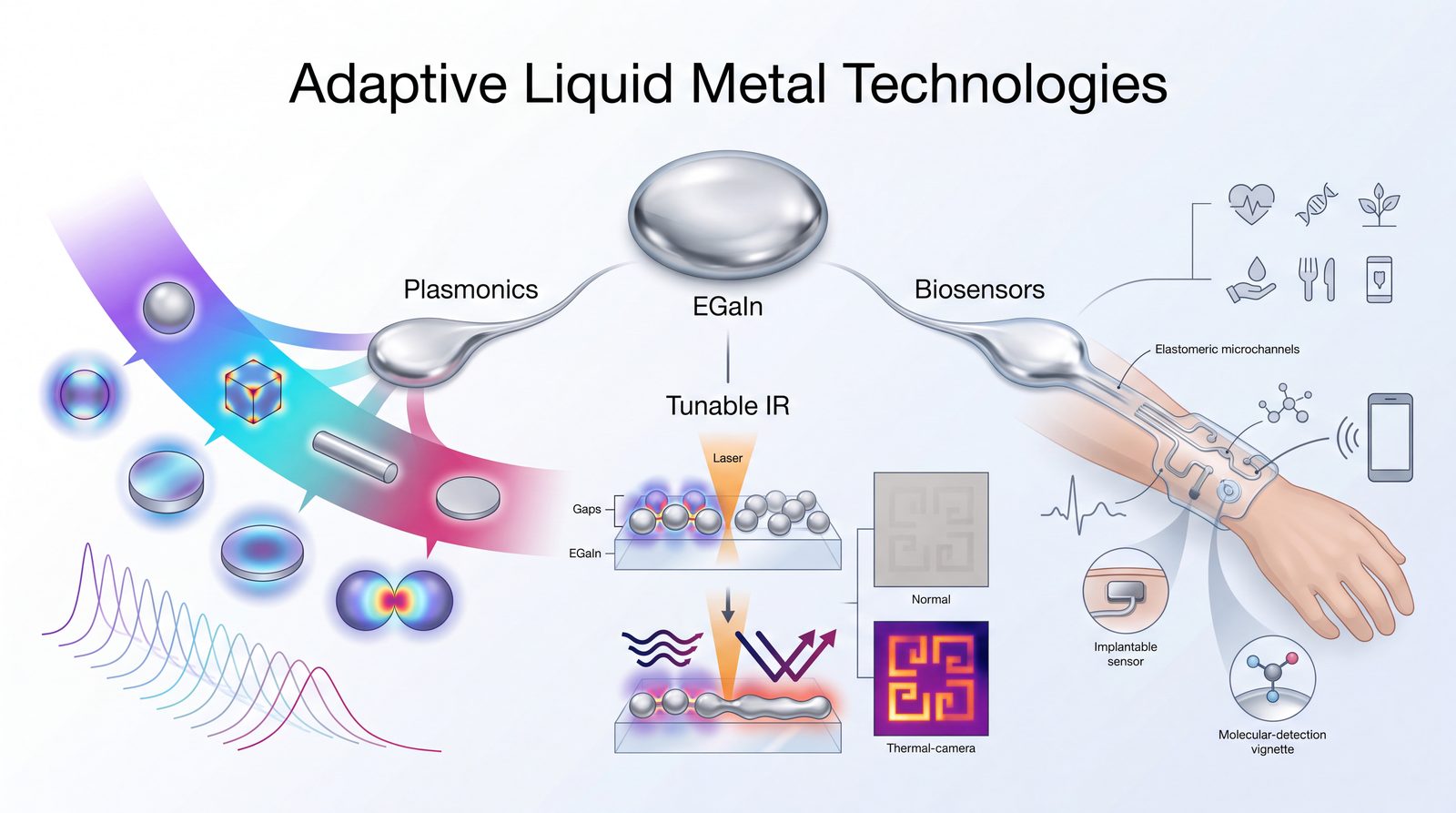
- S. Jamalzadegan, M. Zare, M. J. Dickens, F. Schenk, A. Velayati, M. Yarema, M. D. Dickey, and Q. Wei. Shape and Size-Dependent Surface Plasmonic Resonances of Liquid Metal Alloy (EGaIn) Nanoparticles. Nanoscale, 2025, 17, 22819–22833. DOI Cover
- M. Bagi, S. Jamalzadegan, A. Steksova, and Q. Wei. CRISPR-Cas Based Platforms for RNA Detection: Fundamentals and Applications. Chemical Communications, 2025, 61, 13571–13600. DOI Cover
- S. Jamalzadegan, A. Penumudy, M. Eghbali, S. Moghaddam, M. F. Hamedani, and Q. Wei. From Sensor to Solution: Grounded LLM Interfaces for Equitable, Smartphone-Based Pathogen Surveillance. Frontiers in Sensors, 2026, 7, 1826260. DOI
Get in touch
I am looking for collaborators on AI agents for biosensing and on AI-enhanced computational biology, chemistry, and materials, co-authors for perspectives and reviews in those fields, and seminar invitations.